Could Your Favourite Clothes Be Making You Look Fatter?
Your answer opens a sponsored ad before the guide.
Clothes That Make People Look Larger
Have you ever put on an outfit, looked in the mirror and wondered why you suddenly appear bigger than you did five minutes earlier? The surprising truth is that certain clothes can dramatically change how your body looks, even though your actual size hasn't changed at all. From oversized jumpers and badly positioned waistbands to bulky fabrics, horizontal patterns and shoes that make your legs appear shorter, everyday fashion choices can create optical illusions that add visual width or volume. Some of the most expensive and fashionable clothes can have this effect too. The good news is that understanding how different garments influence your silhouette can help you choose exactly how you want to look. Here are the clothing mistakes, surprising styling tricks and unexpected fashion details that can make almost anyone appear larger.
Oversized Clothes Can Make You Look Bigger Than You Are
Oversized clothing has become a major fashion trend, but wearing garments that are significantly larger than your body can sometimes create the illusion of extra volume. Loose material may hang away from your natural shape, making it difficult to see where your shoulders, waist and hips actually sit.
This doesn't mean oversized fashion is unflattering. A relaxed jumper or loose-fitting shirt can look stylish when the proportions work together. However, combining several oversized garments can create a boxier silhouette than intended. The difference often comes down to how the fabric falls and whether the outfit has some visible structure.
The Baggy Jumper Mistake That Changes Your Entire Shape
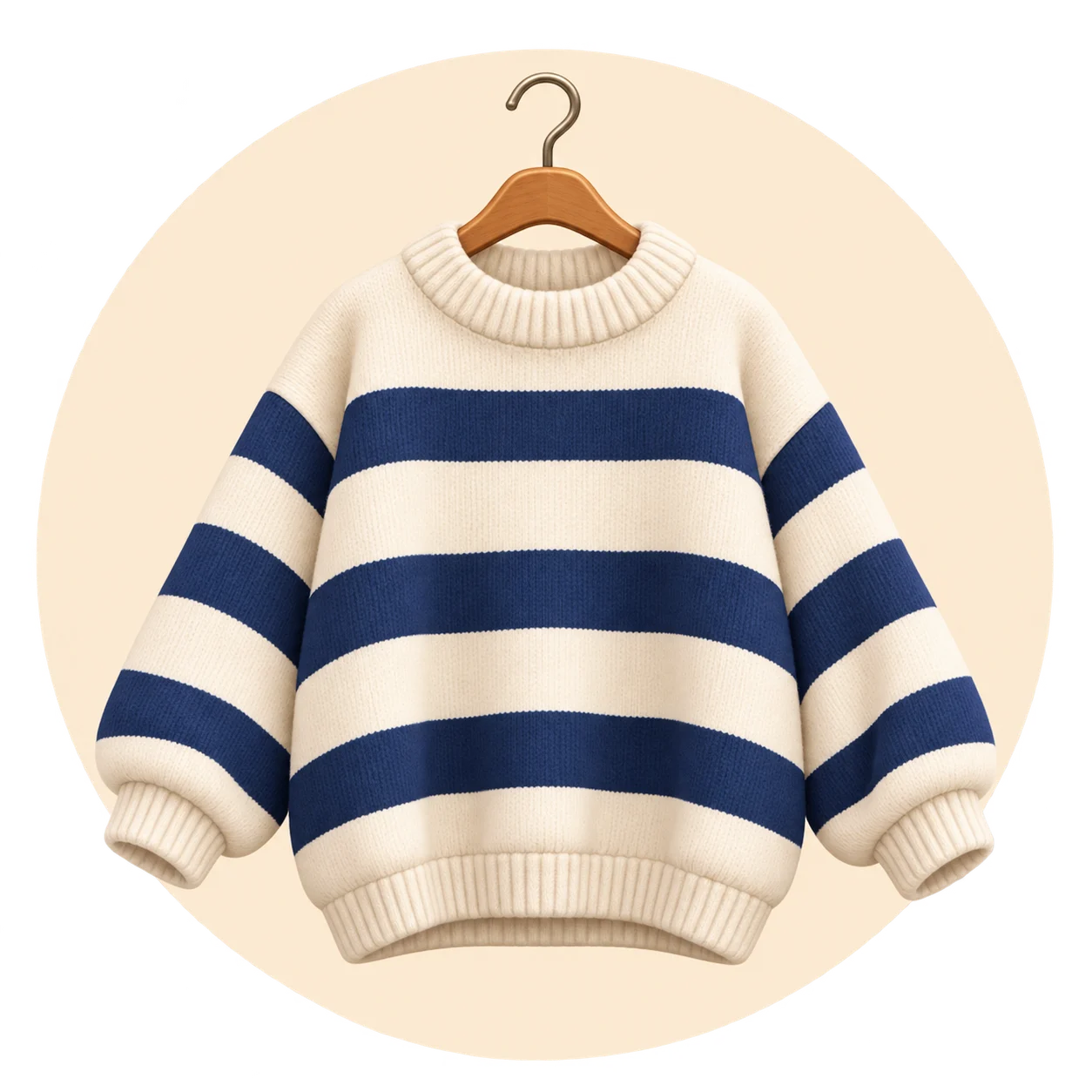
A thick, oversized jumper can make the upper body appear broader because it adds physical volume around the shoulders, chest and waist. Heavy knitted fabrics can exaggerate this effect.
The visual difference becomes particularly noticeable when the jumper has dropped shoulders, wide sleeves or a loose hem. Styling a bulky jumper with more streamlined trousers can create contrast, while pairing it with equally baggy bottoms produces a deliberately oversized look. Neither approach is inherently wrong, but the silhouette can be dramatically different.
Why Clothes That Are Too Tight Can Have The Opposite Effect
Many people assume that tighter clothes automatically create a smaller-looking silhouette. In reality, garments that are too tight can sometimes emphasise areas where the fabric pulls, stretches or creates visible lines.
A shirt that strains across the buttons or trousers that dig into the waist may draw attention to fit issues rather than the overall outfit. Choosing clothing that follows the body's shape without excessive tension can create a smoother appearance. The correct size is often more important than the number printed on the label.
Horizontal Stripes Can Change How Wide You Look
Horizontal stripes have long been associated with making people appear wider, although the actual visual effect depends on stripe thickness, spacing, contrast and garment shape.
Some visual perception research suggests that striped patterns can produce effects that are more complicated than traditional fashion advice implies. A well-fitted striped top may look completely different from a loose garment with broad contrasting bands. Rather than avoiding horizontal stripes entirely, it is more useful to consider the complete design.
The Surprising Truth About Vertical Stripes
Vertical stripes are often recommended because they draw the eye up and down, potentially creating an impression of length. This can be particularly noticeable on trousers, dresses and tailored jackets.
However, vertical stripes don't automatically make every outfit appear slimmer. Wide stripes, distorted patterns and poorly fitted garments can alter the effect. The overall silhouette, fabric and contrast matter just as much as the direction of the lines.
Large Prints Can Make An Outfit Appear Bigger
Bold floral prints, oversized geometric shapes and large graphic designs can draw attention to the areas they cover. Depending on their placement, they may make parts of an outfit appear more prominent.
Smaller patterns can create a different visual impression, particularly when the colours are relatively similar. However, large prints are not inherently unflattering. Their effect depends on scale, garment construction and how the pattern interacts with the body's proportions.
Why Thick Fabrics Can Add Unexpected Volume
Heavy fabrics such as chunky wool, thick fleece and stiff denim physically occupy more space than lightweight materials. This can change the outline of an outfit, particularly around the arms, waist and hips.
The effect becomes more noticeable when the fabric is layered or gathered. A structured wool coat may create a broad silhouette, while a lighter coat may follow the body more closely. Fabric choice can therefore influence apparent size even when two garments have identical measurements.
Puffer Jackets Can Make Anyone Look Wider
Puffer jackets are designed to trap warmth using insulated sections, which naturally add volume around the torso and arms. Some styles have particularly large quilted panels that create a rounded silhouette.
This extra volume is part of their design rather than a fitting problem. However, shorter puffers, different quilting patterns and more streamlined insulation can create noticeably different proportions. Choosing a jacket based on warmth, comfort and preferred shape is more useful than assuming all puffers look alike.
The Coat Length That Can Change Your Proportions
Coat length influences how the body is visually divided. A coat ending at the widest part of the hips may draw attention to that area, while a longer coat can create a continuous line down the body.
However, the result also depends on the coat's cut, shoulders and fastening. A long, very wide coat can still create substantial volume. Trying different lengths in front of a full-length mirror can reveal how much the overall silhouette changes.
Double-Breasted Jackets Can Make The Chest Look Broader
Double-breasted jackets feature overlapping fabric and two columns of buttons. This construction can create additional visual structure across the chest and upper torso.
Depending on the cut, the effect may make the shoulders or chest appear more substantial. A well-tailored double-breasted jacket can also create a defined waist and balanced proportions. The final appearance depends on lapel width, button placement and how closely the garment follows the body.
Wide Lapels Can Make The Upper Body Appear Larger
Large jacket lapels attract attention to the chest and shoulders. On certain garments, they can create the impression of a wider upper body.
Narrower lapels often produce a more understated appearance, although the difference depends on the overall tailoring. Broad lapels can be an intentional styling choice, particularly in classic suits and statement coats. The important factor is how their scale relates to the rest of the outfit.
The Shoulder Pad Effect That Changes Your Silhouette
Shoulder pads can make the shoulders look wider and create a stronger, more angular outline. This effect has appeared in fashion repeatedly, from vintage tailoring to modern oversized blazers.
For some outfits, wider shoulders create a dramatic hourglass impression by making the waist appear comparatively narrower. In others, they produce a boxier shape. Shoulder pads demonstrate how adding volume to one area can change the apparent proportions of the entire body.
Dropped Shoulders Can Make Clothes Look Much Wider
Dropped-shoulder garments have seams positioned below the natural shoulder line. This creates a relaxed shape commonly found in sweatshirts, jumpers and oversized T-shirts.
However, the extended shoulder line can make the upper body appear wider or less defined. The effect is especially noticeable when combined with loose sleeves and thick fabric. A garment with seams closer to the natural shoulders generally produces a more structured outline.
Balloon Sleeves Can Add More Volume Than Expected
Balloon sleeves gather fabric around the arms to create a rounded, exaggerated shape. They can make an otherwise simple blouse or dress appear much more dramatic.
Because the sleeves extend beyond the natural arm shape, they may make the upper body look larger. However, this volume can also create an intentional contrast with a fitted waist. The overall impression depends on where the sleeves expand and how the rest of the garment is shaped.
Puff Sleeves Can Make Shoulders Look Broader
Puff sleeves add fabric around the shoulder or upper arm, creating a distinctive rounded outline. Depending on their size, they can significantly change the apparent width of the upper body.
Small puff sleeves may create only a subtle decorative effect, while exaggerated versions can make the shoulders appear considerably broader. Pairing them with a defined waist can produce a balanced silhouette. Their impact comes from the placement of the volume rather than the wearer's body size.
Ruffles Can Make Certain Areas Look Fuller
Ruffles add layers of fabric that extend away from the body. When positioned across the chest, hips or shoulders, they can make those areas appear more prominent.
Their effect depends on the size, direction and number of layers. Fine, delicate ruffles may create relatively little volume, while large structured ruffles can dramatically alter a garment's shape. They are useful for adding visual interest, but their placement matters when trying to achieve a particular silhouette.
Pleated Skirts Can Add Volume Around The Hips
Pleated skirts contain folds of fabric that open and move as the wearer walks. Some pleats lie relatively flat, while others create a fuller shape around the waist and hips.
The difference often comes down to fabric stiffness and where the pleats begin. A skirt with tightly pressed pleats may fall smoothly, while a thicker pleated skirt can flare outward. The waistband and skirt length also influence the final appearance.
Gathered Waistbands Can Make The Stomach Look Fuller
Gathered waistbands create folds of fabric around the waist, often using elastic or stitching. This can add volume to the stomach and hip area.
The effect is particularly noticeable in stiff fabrics or garments with substantial gathering. Softer materials may fall more naturally, creating less bulk. Gathered waists can be comfortable and stylish, but they produce a different silhouette from flat-front trousers or fitted skirts.
The Paperbag Trouser Trend That Adds Extra Fabric
Paperbag trousers feature a gathered, often high waistband that extends above the belt or fastening. The design creates deliberate volume around the waist.
This can make the midsection appear fuller, particularly when the fabric is thick or the trousers are loosely cut. However, a tucked-in top and defined belt can create an intentional contrast. The style works by exaggerating shape rather than following the body's natural outline.
Low-Rise Jeans Can Change How The Waist Looks
Low-rise jeans sit below the natural waist, often around the hips. Their position can visually lengthen the torso while shortening the apparent leg line.
If the waistband is too tight, it may also create pressure and visible indentations. However, low-rise jeans can look stylish when properly fitted and paired with suitable proportions. The effect depends on rise, waistband construction and the length of the top worn with them.
High-Waisted Trousers Can Also Make A Difference
High-waisted trousers sit closer to or above the natural waist and can create the impression of longer legs. However, they can also draw attention to the waist and stomach, depending on the cut.
A very high waistband combined with stiff fabric or front pleats may add visible structure around the midsection. A smoother waistband can create a different effect. The best choice depends on comfort, torso length and the overall outfit rather than a universal rule.
Why The Wrong Jeans Size Can Make You Look Larger
Jeans that are too small may pull across the hips, thighs or waistband. This can create tension lines that draw attention to the fit.
Jeans that are much too large can also add unnecessary fabric around the legs and hips. Different brands use different sizing systems, so the label is not always a reliable guide. Trying several cuts and sizes often produces a better result than choosing solely by the number.
Wide-Leg Jeans Can Create A Bigger Silhouette
Wide-leg jeans have a generous cut from the hips or thighs down to the hem. Their shape can create a broad outline, especially when made from stiff denim.
However, they can also produce a long, flowing silhouette when the waistband fits well and the length is appropriate. The effect changes considerably depending on footwear and the top worn with them. Wide-leg jeans are a good example of how volume can be intentional rather than a mistake.
Skinny Jeans Can Emphasise Body Proportions
Skinny jeans follow the legs closely, making their natural shape more visible. This can create a strong contrast with an oversized top or bulky jacket.
However, excessively tight skinny jeans may create pulling or discomfort around the waist and knees. Their visual effect depends on fit, fabric stretch and the rest of the outfit. Neither skinny nor wide-leg jeans are universally more flattering.
Cropped Trousers Can Make Legs Appear Shorter
Cropped trousers end above the ankle, creating a visible break in the leg line. Depending on the length, this can make the legs appear shorter.
The effect is often strongest when trousers end around the widest part of the calf. Cropped styles can still look balanced when combined with suitable footwear and proportions. A small change in hem length can sometimes make a surprisingly noticeable difference.
Capri Pants Can Visually Widen The Calves
Capri pants typically end between the knee and ankle. Their hem can draw attention to the calf area, particularly when the fabric is fitted.
If the trousers end at a wider point on the leg, they may create the impression of additional width. However, this depends on the individual and the cut. Capri trousers can be styled in many ways, and their appearance changes with footwear, colour and fabric.
Why Short Jackets Can Make The Torso Look Different
Short jackets create a strong horizontal line around the waist or upper hips. This can alter the apparent proportions between the torso and legs.
A cropped jacket may make the legs look longer, but a boxy cropped design can also add width around the upper body. The result depends on where the jacket ends and how it fits across the shoulders. Small differences in length can produce very different silhouettes.
Longline Tops Can Sometimes Make Legs Look Shorter
Longline tops extend below the natural waist and often cover part of the hips or upper thighs. This can create a relaxed silhouette, but it may also change the apparent balance between the torso and legs.
When a top covers much of the lower body, the visible leg line can appear shorter. However, side slits, fitted cuts and different trouser styles can change the effect. The visual result is about proportions rather than the garment being inherently unflattering.
Untucked Shirts Can Create A Boxier Shape
An untucked shirt may hang straight from the chest to the hips, concealing the waist. Depending on its cut, this can make the torso appear more rectangular.
A partial tuck or a shirt with a shaped hem can create a different outline. However, leaving a shirt untucked can also be comfortable and stylish, particularly when the garment is designed for that purpose. Fabric and fit determine whether it looks relaxed or excessively bulky.
Tucking In Your Top Can Completely Change An Outfit
Tucking a top into trousers or a skirt creates a visible division between the upper and lower body. This can define the waist and change the apparent length of the legs.
However, a bulky jumper tucked into a tight waistband may create extra fabric around the stomach. A lightweight top generally produces a smoother result. Different tucking techniques can alter the silhouette without changing any of the garments.
Thick Belts Can Make The Waist Look Wider
Wide belts create a prominent horizontal band around the waist. Depending on their colour and placement, they can make the midsection appear more substantial.
However, belts can also define the waist and create an hourglass effect when used with looser clothing. The visual result depends on belt width, contrast and how tightly it is worn. A belt should be comfortable rather than used to compress the body excessively.
Contrasting Belts Can Divide The Body Visually
A belt in a sharply contrasting colour draws attention to the waist and creates a distinct break in the outfit. This can make the upper and lower body appear as separate sections.
A belt closer in colour to the surrounding clothing often produces a more continuous line. Neither approach is automatically better. The choice depends on whether the wearer wants to highlight the waist or create a less interrupted silhouette.
Colour Blocking Can Make Certain Areas Stand Out
Colour blocking uses contrasting sections of colour to create a bold visual effect. Depending on where those sections appear, they can influence how the body is perceived.
A bright panel across the hips or chest may draw attention to that area, while darker or less contrasting sections may appear more subdued. However, colour perception is complex, and garment shape remains important. Colour blocking can be used deliberately to create dramatic proportions.
Why Bright Colours Can Attract More Attention
Bright colours naturally attract attention, especially when paired with darker or neutral garments. This can make the areas they cover more visually prominent.
However, bright clothing does not automatically make someone look larger. Fabric, fit and contrast all influence the result. A well-tailored bright outfit may create a more streamlined appearance than an oversized dark outfit. Colour is only one part of the overall silhouette.
Does Wearing Black Really Make You Look Smaller?
Black clothing is often associated with a streamlined appearance because it can reduce visible contrast and make shadows or garment details less noticeable.
However, black does not magically change body proportions. A bulky black jumper still adds volume, while a well-fitted light-coloured garment may create a more defined silhouette. The relationship between colour and perceived size depends on lighting, fabric and design.
Shiny Fabrics Can Make Clothes Look More Voluminous
Shiny materials such as satin, metallic fabrics and certain synthetic blends reflect light, creating highlights across the garment.
These reflections can draw attention to folds, curves and areas where fabric stretches. Depending on the cut, the result may make some areas appear more prominent. Matte fabrics often create a softer visual effect. However, shiny materials can look elegant and dramatic when used intentionally.
Satin Dresses Can Reveal Every Fold In The Fabric
Satin dresses often have a smooth, reflective surface that follows the body's movement. This can create beautiful draping but also highlight creases and areas of tension.
A satin dress that is too tight may show pulling around the hips or stomach, while one that is too loose may gather unpredictably. Bias-cut designs and suitable lining can influence how the fabric falls. The quality of the fit matters more than the fabric alone.
Velvet Can Add Depth And Visual Weight
Velvet has a distinctive textured surface that reflects light differently depending on the direction of its fibres. This can create areas of light and shadow across a garment.
Thick velvet may also add physical volume, particularly in jackets, dresses and trousers. However, lighter velvet fabrics can drape beautifully. The effect depends on the fabric's weight, construction and fit.
Chunky Knitwear Can Make The Torso Appear Broader
Chunky knitted jumpers contain thick yarns and raised textures that add physical volume. Cable-knit patterns can make this effect more noticeable.
The additional bulk is particularly apparent around the chest, arms and waist. A fine-knit jumper may follow the body's shape more closely. However, chunky knitwear remains popular because of its comfort, warmth and distinctive style.
Cable-Knit Patterns Can Add Unexpected Texture
Cable-knit garments feature raised patterns created by crossing sections of yarn. These designs add visual interest and dimension to jumpers and cardigans.
Large cables positioned across the chest or stomach can make the fabric appear thicker in those areas. Smaller patterns often create a subtler effect. The overall silhouette also depends on the garment's cut and how tightly the knit is constructed.
Layering Too Many Clothes Can Add Bulk
Layering is practical in colder weather, but combining several thick garments can create substantial volume around the torso and arms.
A shirt, chunky jumper, thick cardigan and padded coat can make the outer silhouette considerably larger than the body underneath. Choosing thinner insulating layers can sometimes provide warmth with less bulk. However, layered outfits can also be a deliberate fashion statement.
The Hoodie And Jacket Combination That Changes Your Shape
Wearing a hoodie beneath a jacket adds fabric around the shoulders, chest and neck. The hood itself can create additional volume behind the head and upper back.
If both garments are oversized, the combined effect can make the upper body appear significantly broader. A more fitted hoodie beneath a structured jacket produces a different result. Comfort and warmth remain important, but garment proportions influence the final look.
Scarves Can Make The Upper Body Look Bigger
Large scarves can add considerable volume around the neck, chest and shoulders. Thick knitted scarves are particularly noticeable when wrapped several times.
This can create a cosy, dramatic appearance, but it may also make the upper body look broader. A lighter scarf worn loosely creates a different silhouette. The size and arrangement of the scarf can change how an otherwise identical outfit appears.
Turtlenecks Can Change The Appearance Of The Neck
Turtlenecks cover the neck and create a continuous line between the head and torso. Depending on the fabric and fit, they can make the neck appear shorter or the upper body more compact.
Chunky turtlenecks add more volume than fine-knit versions. However, fitted turtlenecks can also create a sleek appearance when paired with tailored clothing. Neckline height and fabric thickness are the main factors influencing the visual effect.
High Necklines Can Make The Chest Look Fuller
High necklines cover more of the upper chest and can create a larger uninterrupted area of fabric. On certain garments, this may make the upper torso appear more substantial.
The effect depends on colour, fit and fabric. A fitted high-neck top may create a completely different impression from a loose sweatshirt with the same neckline. Neckline choice is ultimately about personal style and the proportions someone wants to emphasise.
Boat Neck Tops Can Make Shoulders Look Wider
Boat necklines extend horizontally across the collarbone area. Their wide shape can draw the eye towards the shoulders.
This may create the impression of a broader upper body, particularly when the garment is structured. However, the same effect can be used intentionally to balance wider hips or create a particular silhouette. Necklines are useful styling tools rather than universal fashion rules.
Square Necklines Can Emphasise The Upper Body
Square necklines create distinct horizontal and vertical edges around the chest. Depending on their width, they can draw attention to the shoulders and collarbone area.
A wide square neckline may make the upper body appear broader, while a narrower design creates a different impression. Sleeve shape and fabric also influence the result. Small changes in neckline construction can noticeably alter how a top looks.
Why Neckline Shape Matters More Than You Think
Necklines frame the face, neck and shoulders, influencing where the eye naturally focuses. Round, V-shaped, square and high necklines can all create different visual proportions.
For example, a V-neck may produce a longer visual line through the upper torso, while a high round neckline creates a more enclosed shape. However, the effect varies with garment design and body proportions. Experimenting with different necklines can reveal which styles create the desired appearance.
Chunky Trainers Can Make Legs Look Shorter
Chunky trainers feature thick soles and substantial uppers that add visual weight around the feet. When combined with cropped trousers, they may make the legs appear shorter.
However, their exaggerated proportions are often the main attraction. Pairing them with longer trousers or different silhouettes can change the overall effect. Footwear influences the balance of an outfit even though it does not change the body's actual size.
Ankle Straps Can Visually Break The Leg Line
Shoes with ankle straps create a visible horizontal line around the ankle. Depending on the strap's thickness and colour, this can make the leg appear shorter.
A strap that contrasts strongly with the skin or tights may be more noticeable than one with less contrast. However, ankle straps can also add elegance and provide useful support. Their effect is primarily visual and depends on the complete outfit.
Boots That End At The Widest Part Of The Calf
Boot height can influence how the legs appear. A boot ending around the widest part of the calf creates a strong horizontal boundary.
This may make the lower leg appear broader or shorter, particularly when the boot and clothing contrast sharply. Different shaft heights and shapes can change the effect. Choosing boots that fit comfortably around the calf is also important for avoiding pressure and discomfort.
Why Knee-High Boots Can Change Leg Proportions
Knee-high boots cover a substantial portion of the lower leg, creating a continuous visual shape from the foot towards the knee.
Depending on their fit and colour, they can make the legs appear longer or create additional volume. Slouchy boots produce a different outline from fitted styles. The overall impression also depends on whether they are worn with trousers, tights, skirts or dresses.
Thick Socks Can Make Ankles Look Wider
Thick socks, particularly those worn visibly above shoes, can add volume around the ankles and lower calves.
This effect is especially noticeable when the socks are gathered or have a contrasting colour. However, visible socks are also a deliberate styling trend. Their influence on proportions depends on footwear, trouser length and the rest of the outfit.
Large Pockets Can Make Hips Look Wider
Pockets can influence the apparent shape of trousers, skirts and jackets. Large patch pockets positioned on the hips or thighs add visual detail and sometimes physical volume.
Cargo trousers are a good example because their external pockets can make the legs appear broader. However, the effect varies with pocket size and placement. Pockets are also practical, and their visual impact can be part of the intended design.
Cargo Trousers Can Add Volume Around The Legs
Cargo trousers often feature loose cuts, multiple pockets and heavier fabrics. Together, these details can create a wider silhouette around the thighs and calves.
Slimmer cargo designs may produce a more streamlined appearance, while oversized versions deliberately exaggerate volume. The result depends on fabric stiffness, pocket placement and the overall fit. Cargo trousers demonstrate how practical design details can influence perceived body size.
Back Pocket Placement Can Change How Jeans Look
The size and position of back pockets can affect the appearance of the hips and buttocks. Pockets placed far apart may visually widen the area, while different placements can create other effects.
Large decorative stitching and prominent pocket details also attract attention. However, the relationship between pocket design and perceived proportions is subtle and varies by garment. Trying jeans on is usually more informative than judging the pockets while they are on a hanger.
Peplum Tops Can Make Hips Look Fuller
Peplum tops feature an additional flared section of fabric around the waist or hips. This creates a defined shape that can emphasise the difference between the waist and lower torso.
Depending on where the flare begins, it may make the hips appear wider. However, this can also create an intentional hourglass silhouette. Peplum styles are designed to add shape, and their effect depends on the amount of fabric and its structure.
Tiered Dresses Can Create A Much Fuller Silhouette
Tiered dresses contain several horizontal sections of fabric, often gathered to create a flowing shape. Each tier can add volume as the dress extends downwards.
Lightweight fabrics may produce a soft, airy appearance, while stiff materials can create a more dramatic outline. The number and placement of tiers influence the result. A tiered dress may look much fuller than a straight-cut dress of the same size.
Empire Waist Dresses Can Change The Shape Of The Stomach
Empire waist dresses have a raised waistline positioned just below the bust. The fabric then falls away from the body, creating a loose silhouette through the stomach and hips.
Depending on the cut and fabric, this can create the impression of additional volume around the midsection. However, empire waist designs are also valued for comfort and flowing movement. The effect varies considerably between fitted and heavily gathered styles.
Smock Dresses Can Hide The Natural Waist
Smock dresses are usually loose-fitting and often feature gathered fabric through the chest or upper body. Their relaxed construction can conceal the natural waistline.
This may create a fuller or more rectangular silhouette, particularly when the fabric is thick. However, smock dresses are popular because they are comfortable and easy to wear. Different lengths, sleeve designs and fabrics can change how much volume they create.
Bodycon Dresses Can Emphasise Every Contour
Bodycon dresses fit closely against the body, making natural contours and garment seams more visible. This can create a very different appearance from a flowing dress.
However, a bodycon dress that is too tight may pull or bunch in ways that alter the intended silhouette. Fabric quality, lining and fit are particularly important. The aim should be comfort and the desired appearance rather than choosing the smallest possible size.
Maxi Dresses Can Make The Body Look Wider Or Longer
Maxi dresses extend towards the ankles or floor, creating a long visual line. Depending on the cut, they can make the body appear elongated.
However, a very loose maxi dress with substantial gathered fabric may also create a broad silhouette. More structured designs can produce a different effect. The placement of the waist, skirt volume and neckline all influence the overall appearance.
The Hemline Mistake That Changes Everything
The point where a garment ends creates a visual boundary. This can influence how long or wide the body appears, particularly around the thighs, calves and hips.
For example, a skirt ending at a wider part of the leg may draw attention to that area. However, the effect depends on fabric, footwear and individual proportions. Trying different hemlines can be more useful than following rigid fashion rules.
Why Matching Colours Can Create A Longer Silhouette
Wearing similar colours from top to bottom can create a continuous visual line with fewer contrasting breaks. This may make the outfit appear more elongated.
However, monochromatic dressing does not automatically make someone look smaller. Oversized shapes and bulky fabrics still influence the silhouette. The effect comes from visual continuity rather than any special property of a particular colour.
Contrasting Tops And Bottoms Can Divide Your Shape
A brightly coloured top paired with dark trousers creates a clear boundary around the waist or hips. This can make the upper and lower body appear more distinct.
Depending on the placement of that boundary, the torso or legs may look proportionally longer or shorter. Similar colours create a different impression. Colour contrast is therefore another tool for controlling the overall shape of an outfit.
Why The Wrong Bra Size Can Change How Clothes Fit
An incorrectly fitted bra can affect how tops, dresses and jackets sit across the chest and torso. A band or cup that is too small may create pressure lines, while insufficient support can change the way fabric drapes.
A properly fitted bra can improve comfort and help garments sit as intended. However, the ideal style depends on individual needs and clothing choices. Professional fitting can be useful for people experiencing discomfort or persistent fit problems.
Shapewear Can Change How Fabric Falls
Shapewear is designed to provide compression and alter the appearance of certain body contours beneath clothing. It may help some garments lie more smoothly.
However, excessively tight shapewear can cause discomfort and may create visible lines or bulges at its edges. It should not restrict breathing or cause pain. Shapewear is optional, and choosing comfortable clothing that fits properly is often more important than relying on compression.
Underwear Lines Can Affect The Appearance Of Tight Clothing
Visible underwear seams can create lines beneath fitted trousers, skirts or dresses. These lines may draw attention to the fabric's fit and texture.
Different underwear cuts and seamless designs can change how clothing lies against the body. However, visible lines are normal and not a problem that everyone needs to solve. The choice depends on comfort and the appearance someone wants to achieve.
Why Clothing Alterations Can Make A Huge Difference
Even expensive clothing may not fit perfectly straight from the shop. Differences in shoulder width, torso length and body proportions mean that standard sizes cannot suit everyone equally.
Simple alterations such as shortening trousers, adjusting a waist or refining sleeve length can change how a garment hangs. Tailoring can often improve the silhouette without requiring an entirely new wardrobe. Proper fit can matter more than brand or price.
Expensive Clothes Can Still Make You Look Larger
Designer labels and premium prices do not guarantee flattering proportions. An expensive garment can still be too large, too tight or poorly suited to the desired silhouette.
Conversely, an affordable item with good proportions and suitable fabric may look more polished. Clothing quality matters, but fit and styling remain essential. The price tag alone says very little about how an outfit will appear when worn.
Why Fashion Trends Don't Suit Every Desired Silhouette
Fashion trends often focus on exaggerated shapes, unusual proportions and statement details. Oversized tailoring, balloon trousers and dramatic sleeves are examples of designs intended to alter the body's outline.
These garments may create a larger appearance by design, but that does not make them unsuccessful. Fashion is not always about appearing smaller. Understanding the intended silhouette helps people decide whether a trend matches their personal style.
How Mirrors And Lighting Can Make Clothes Look Different
The same outfit can appear different under changing lighting conditions. Bright overhead lights, side lighting and shadows can emphasise folds, textures and contours.
Mirror angle and distance can also influence perception. A garment that looks bulky in one fitting room may appear different in natural daylight. Checking an outfit under several lighting conditions can provide a more balanced impression than relying on a single mirror.
Why Camera Angles Can Make Outfits Look Bigger
Photographs can distort apparent body proportions depending on camera position, lens characteristics and distance from the subject.
A camera placed close to the body may exaggerate whichever areas are nearest the lens. Low angles and wide-angle lenses can also create unusual proportions. This means an outfit that looks different in photographs is not necessarily poorly fitted. Camera technique can play a significant role.
The Most Common Clothing Fit Mistakes
Common fit issues include shoulder seams that sit too far out, waistbands that pull, sleeves that are excessively long and trousers that bunch around the ankles.
Each issue can change the outline of an outfit and sometimes create unnecessary volume. However, relaxed and oversized fits can be intentional. The difference is whether the garment achieves the appearance and comfort the wearer wants.
How To Make Oversized Clothes Look More Balanced
Oversized clothing can create a stylish silhouette when its proportions are considered carefully. Pairing a loose top with more structured bottoms is one option, while combining oversized pieces can create a deliberately dramatic look.
Small adjustments such as rolling sleeves, changing hem length or adding a partial tuck can alter the outfit's shape. The aim isn't to eliminate volume but to control where it appears. Oversized fashion can look polished without following conventional rules about appearing smaller.
The Styling Trick That Changes An Outfit Without Buying Anything
One of the easiest ways to change an outfit is to adjust how existing garments are worn. Tucking a shirt, rolling sleeves, changing the position of a belt or opening a jacket can alter the silhouette.
These adjustments can change visible waist definition, arm length and the balance between the upper and lower body. Experimenting with different combinations is often more useful than buying new clothes immediately. Small styling decisions can have a surprisingly noticeable effect.
How To Choose Clothes That Fit Your Body Properly
Choosing well-fitting clothes starts with understanding how a garment should sit on the shoulders, waist, hips and legs. Different designs are intended to fit differently, so the correct size depends on the style.
Trying clothes while standing, sitting and moving can reveal whether they are comfortable and whether the fabric pulls or bunches. Clothing labels are only a starting point because sizing varies between brands. The most useful fit is one that feels comfortable and creates the appearance you prefer.
The Biggest Myths About Clothes That Make You Look Fat
One common myth is that horizontal stripes always make people look wider. In reality, the effect depends on stripe design, garment shape and visual perception.
Another misconception is that black clothing always makes someone appear smaller or that oversized clothing always conceals body shape. Neither rule works universally. Fabric, tailoring, proportions and styling all interact to influence appearance. There is no single clothing rule that applies to every person.
Can Clothes Really Make You Look A Different Size?
Yes, clothing can change the apparent proportions of the body without changing the body itself. Fabric volume, fit, colour contrast, pattern placement and garment construction all influence the silhouette.
However, the visual effect is subjective and varies with posture, lighting and individual proportions. An outfit that makes one person appear broader may create a balanced shape on someone else. The most reliable approach is to assess the complete outfit rather than focusing on isolated fashion rules.
The Best Way To Avoid Unwanted Extra Volume
If your goal is a more streamlined silhouette, begin by checking how garments fit and where they add volume. Thick fabrics, oversized cuts, large gathers and bulky layering can all influence the outline.
However, these features are not automatically mistakes. They can be used intentionally to create shape and visual interest. Choosing clothes that match your preferred appearance is more useful than following strict rules about which garments should be avoided.
Clothes That Make People Look Larger: What Really Matters
Clothes can dramatically influence how the body appears, sometimes through details that are easy to overlook. A waistband positioned a few centimetres differently, a jacket with wider shoulders or a skirt made from stiffer fabric can change the overall silhouette.
The most important thing to remember is that appearing larger is not inherently negative. Fashion is about expression, comfort and personal preference, and many popular styles deliberately add volume.
Understanding how clothes influence visual proportions gives you more control over your wardrobe. Whether you prefer streamlined tailoring, dramatic oversized fashion or something in between, the right fit and thoughtful styling can help you achieve the look you actually want.