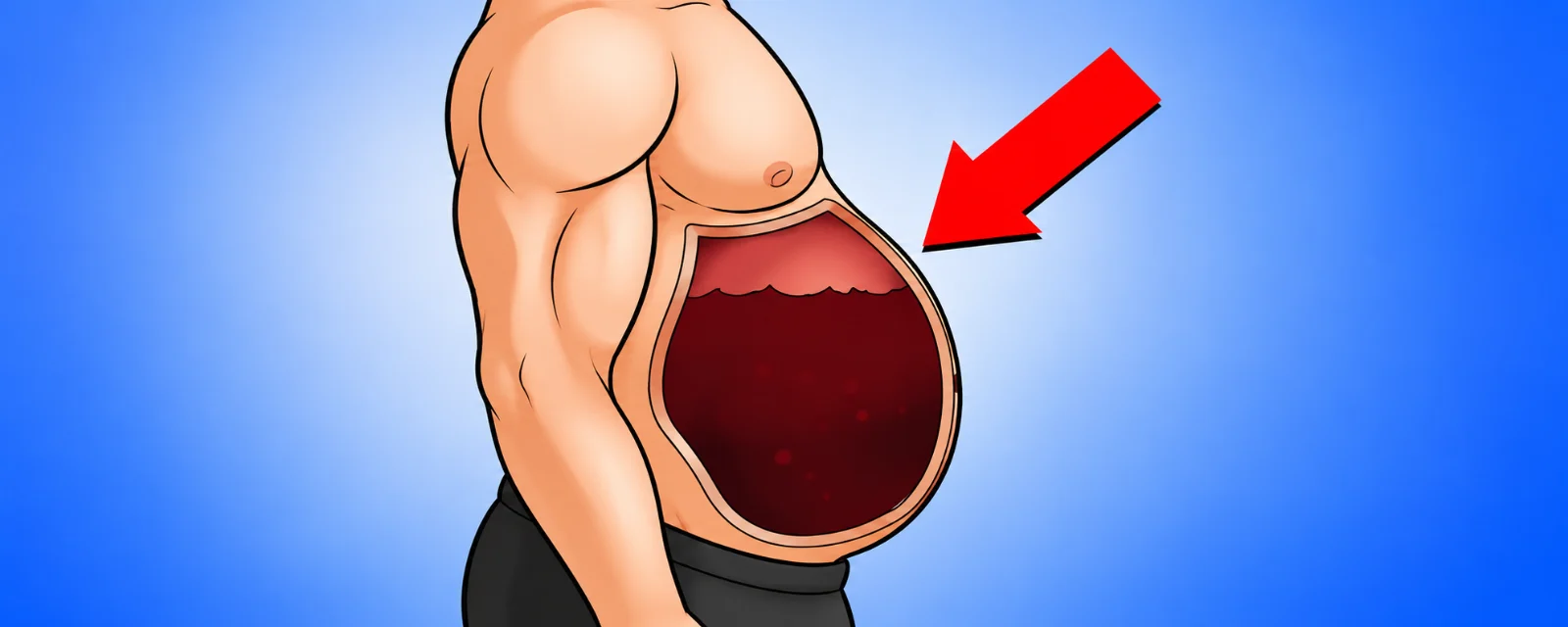
Is Something You Eat Every Day Making Your Belly Bigger? 😳
Your answer opens a sponsored ad before the guide.
Foods That Lead To Belly Growth
Belly fat doesn't come from one forbidden food, and no single meal goes straight to your stomach. Body fat generally increases when you consistently consume more energy than your body uses, while genetics, age, activity, sleep and other factors can influence where fat is stored. But some foods and drinks make excess calories surprisingly easy to consume. Here are some of the biggest ones to watch.
Foods That Can Make Belly Fat Easier To Gain
Some everyday foods pack an enormous number of calories into portions that don't look particularly large. They're not automatically "bad," but regularly eating more energy than you need can contribute to weight gain over time.
Fried Foods Can Add Up Surprisingly Fast
French fries, fried chicken, onion rings and similar foods can contain considerably more calories than their non-fried equivalents because cooking oil adds extra energy.
The bigger trap can be the combination.
A large portion of fries alongside a burger, sauce and sugary drink can turn one meal into a substantial amount of your day's energy intake.
You don't necessarily have to eliminate fried food. Portion size and how frequently you eat it matter far more than one occasional meal.
Pizza Can Hide More Calories Than You Think
Pizza can contain protein, vegetables and other nutritious ingredients, but large portions can also provide substantial amounts of refined carbohydrate, cheese and processed meat.
And it's remarkably easy to eat another slice.
Thick crusts, extra cheese and fatty toppings can push the calorie content higher still.
If you love pizza, you don't need to ban it. Consider the portion, toppings and what you're eating alongside it.
Pastries Pack A Lot Into A Small Package
Croissants, doughnuts, cakes and pastries can combine refined flour, fat and added sugar.
That's part of what makes them delicious.
It's also why a relatively small portion can contain a surprising amount of energy without necessarily keeping you satisfied for very long.
The occasional pastry isn't the issue. Regularly adding calorie-dense treats on top of your normal meals can make maintaining your weight considerably harder.
Drinks That Could Be Expanding Your Waistline
Some of the easiest calories to overlook don't require chewing at all.
Drinks can contribute significant amounts of energy while feeling completely separate from what you've "eaten" that day.
Sugary Drinks Are Easy To Overlook
Regular soft drinks, sweetened teas, energy drinks and some fruit-flavoured beverages can contain substantial amounts of added sugar.
Liquid calories can be particularly easy to consume quickly.
If you regularly drink several high-calorie beverages each day, switching some of them for water or unsweetened alternatives can significantly reduce your overall calorie intake without changing what's on your plate.
Your Morning Coffee Could Actually Be Dessert
Plain coffee itself contains very few calories.
The situation changes when you add flavoured syrups, sugar, cream, whipped toppings and large quantities of milk.
Some elaborate coffee-shop drinks are closer nutritionally to a dessert than a simple cup of coffee.
Check what's actually inside your usual order. You might be drinking considerably more calories than you realised.
Alcohol Can Bring Extra Calories With It
Alcohol provides calories of its own, while beer, wine, cocktails and mixers can add substantially to someone's overall intake.
There's another potential trap.
Drinking can happen alongside takeaway food, snacks or late-night meals, adding even more calories to the occasion.
You don't need to blame one particular drink for "belly fat." The more useful question is how drinking fits into your total diet and lifestyle.
Foods That Look Healthier Than They Really Are
"Healthy-looking" and "low calorie" are not the same thing.
Some foods marketed with words such as natural, protein, organic or low-fat can still contain substantial amounts of sugar or calories.
Granola Can Be Surprisingly Calorie-Dense
Oats, nuts and seeds sound like an excellent combination — and they can provide useful nutrients.
But granola may also contain added sugars and oils, while nuts and seeds are naturally energy-dense.
The biggest issue is often portion size.
What looks like a modest bowl can contain several recommended servings.
Check the serving information rather than automatically assuming a large bowl is a light breakfast.
Smoothies Can Become Huge Without Looking Huge
A homemade smoothie containing whole fruit, vegetables and other nutritious ingredients can absolutely fit into a balanced diet.
But it's easy to keep adding ingredients.
Fruit juice. Nut butter. Honey. Full-fat yogurt. Protein powders. More fruit.
Suddenly one drink contains the energy of a substantial meal — and you're still eating breakfast alongside it.
"Low-Fat" Doesn't Automatically Mean Weight-Loss Friendly
Removing fat from a product doesn't automatically make it low in calories.
Some lower-fat products contain added sugars or other ingredients to maintain flavour and texture.
Likewise, a product labelled "high protein" or "natural" isn't automatically appropriate in unlimited quantities.
Ignore the marketing on the front for a moment.
Look at the nutrition information and serving size.
Everyday Foods That Become A Problem In Huge Portions
Some foods don't need to be removed from your diet at all.
The difference between maintaining weight and gradually gaining it can simply be how much you're eating.
Sauces And Dressings Are Easy To Forget
Mayonnaise, creamy dressings, cheese sauces and other condiments can add significant calories without making the meal look much bigger.
A healthy-looking salad can change dramatically after several generous pours of dressing.
You don't necessarily need to eat everything dry.
Just remember that sauces count too.
Snacks Can Add Up Without Feeling Like Meals
A biscuit with coffee.
A handful of crisps.
A few chocolates from someone's desk.
Something while cooking dinner.
None feels like a meal, which is precisely why snacks can be so easy to forget.
Individually they may seem insignificant. Repeated every day, they can contribute considerably to overall energy intake.
The Food You Should Really Watch Isn't One Food
There isn't a scientifically meaningful list of foods that uniquely send fat directly to your belly.
The bigger pattern matters.
Regularly consuming more calories than your body needs can increase body fat, while where that fat accumulates varies between people.
So rather than becoming afraid of bread, potatoes or another single food, look for the less obvious patterns: large portions, frequent calorie-dense snacks, sugary drinks, alcohol and extras you barely notice eating.
Those are often where the biggest surprises are hiding.
Your selection opens a sponsored ad before the guide.